
Nepal: Eating While Trekking: Some Basic Tips!
Eating While Trekking in Nepal
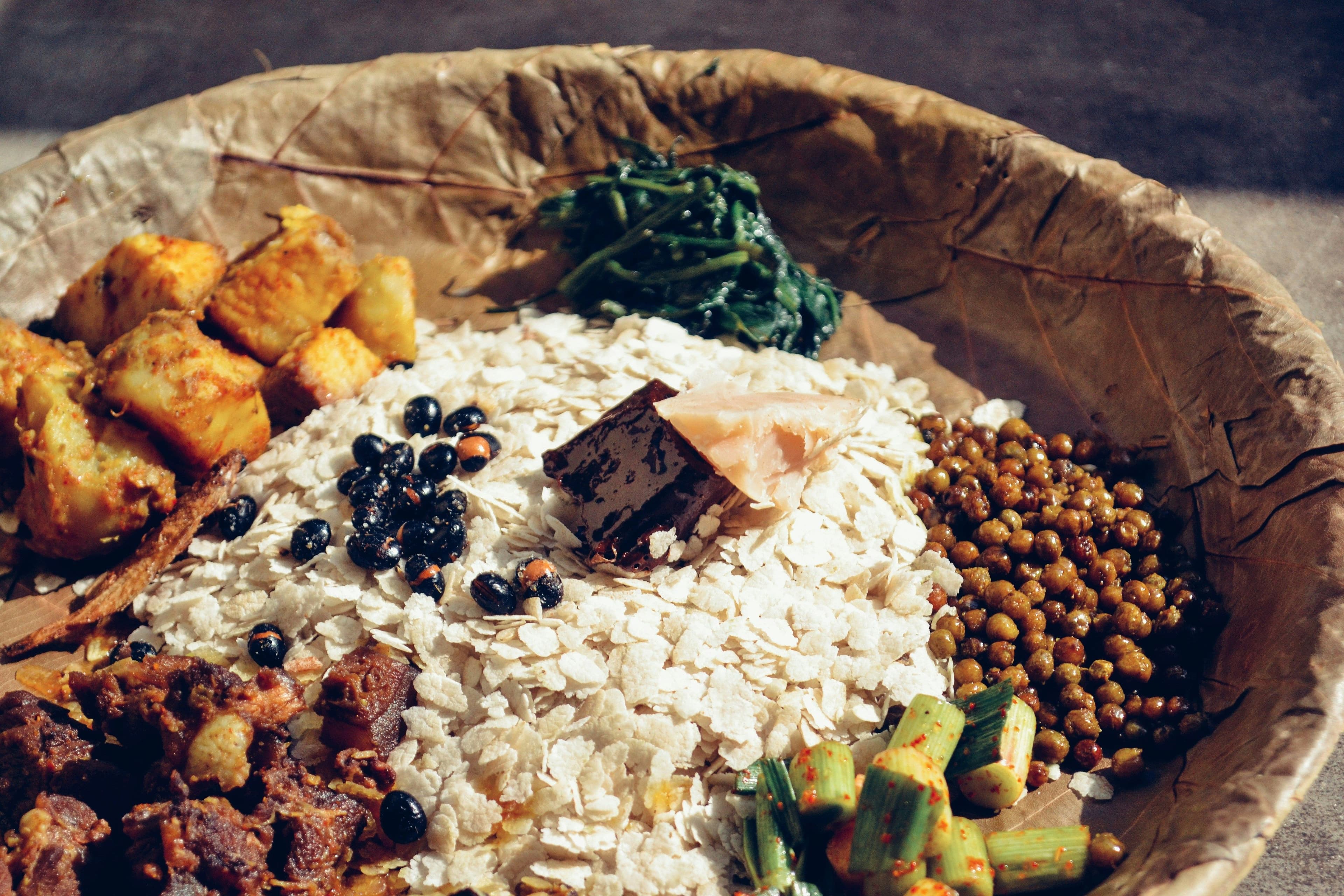
What to eat in Nepal while trekking? Dhal Bhat!
As they say in Nepal, “Dhal Bhat power, 24 hours.” If you get really hungry during your trek, order a Dhal Bhat because you can always get a free refill. And it’s usually served in larger portions than other dishes (and it’s cheaper, too). Although Momos are worth trying, these typical Nepalese dumplings may not always be enough to fill you up. Also, avoid meat! It’s generally not recommended at very high altitudes. Meat is transported on the backs of donkeys or yaks under unsanitary conditions, which can cause stomachaches.
Yak cheese is delicious and very fatty, ideal for providing energy during the hike. However, the same rule that applies to meat also applies to cheese. Be careful and try to eat only cooked foods, not raw ones.
A yak encountered during a trek in Nepal Try to avoid drinking alcohol at high altitudes. It causes faster dehydration. Instead, drink plenty of tea!
For breakfast, try Tsampa porridge, an alternative to oatmeal. Tsampa is made by boiling barley or wheat into a porridge with apples.
A bowl of Tsampa with a spoon, eaten before setting out on the trek
Drinking: the key to staying healthy at high altitude during the trek!
It is extremely important to drink water during treks in the Himalayas. It is even strongly recommended to drink at least 3 to 4 liters per day at high altitude to avoid the risk of dehydration. First, you’re hiking all day and therefore lose a lot of water through sweating; second, dehydration can mask or worsen the symptoms of altitude sickness. Our local SoGuide guide will constantly remind you of this.
A teapot on a tray in the mountains Water in the Himalayas is likely safe to drink in most villages since it comes directly from rivers and lakes. However, it is not recommended for tourists to drink it without treating it first. Bacteria or viruses from animal waste can contaminate it.
A bottle of drinking water for the trek We recommend buying bottled water along the way. Some may prefer to buy a small bottle of Pyush, a liquid chlorine solution for purifying water. This small bottle will last throughout your trek, purifying about 4–5 liters per day. This may also help you save a little money. Ask your local SoGuide; they will be able to advise you. And above all, this will help you avoid using a lot of plastic bottles—something the Nepalese authorities are trying to prevent for obvious environmental reasons.