
Mongolia: 10 Reasons to Explore the Gobi Desert
Discover 10 reasons to explore the Gobi Desert
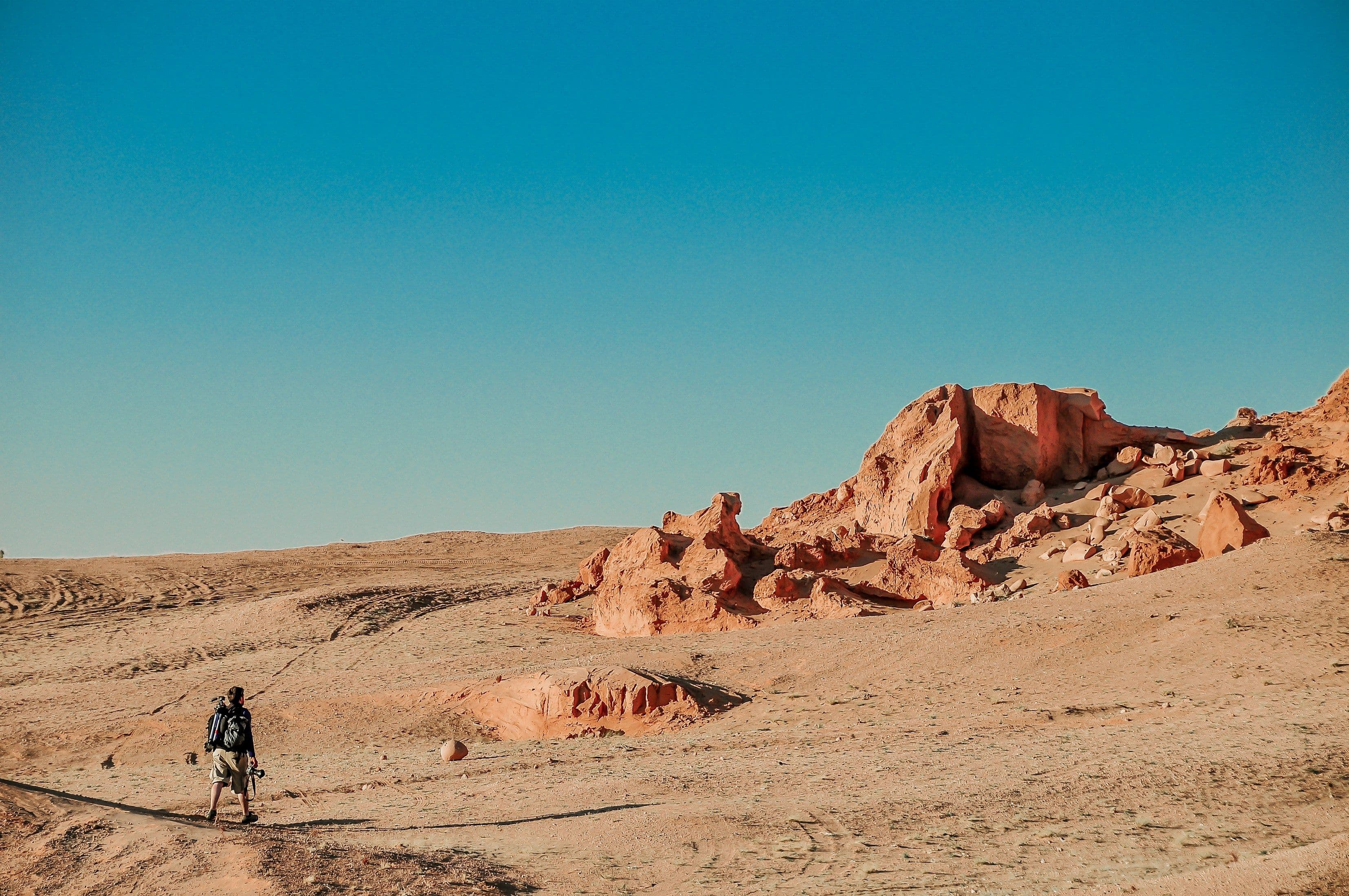
The Gobi Desert in Mongolia is the largest in Asia and the fifth largest in the world. However, the Mongolian Gobi Desert is not just a desert. In fact, it also has a secret history with so much to tell and hides incredible beauty found only within its depths. SoGuide gives you 10 reasons to explore the Gobi Desert
The perfect place to meditate
As you explore the Gobi Desert and wander among its cliffs, far from any civilization, you’ll be reminded that everything around you is fleeting and that all things return to dust. This place is perfect for meditating in silence while admiring the magnificent landscapes of the Gobi. Some fossil sites feature oases and lakes and serve as refuges and grazing grounds for wild animals, making this landscape even more beautiful. An excellent place to recharge your batteries far from civilization.
Admire the landscape from the Khongor Dunes
Climb the imposing Khongor Dunes and gaze at the horizon before you. In fact, the highest point of the dune can reach 800 meters. The view from the top of the dunes is breathtaking and stunning. For photographers, climbers, and even cyclists, scaling these dunes is a real challenge, but it’s definitely worth it. In the summer, the Khongor Dunes become the site of the Gobi Naadam Festival.
Discover the world’s largest dinosaur fossils.
The Gobi Desert in Mongolia is the world’s largest repository of dinosaur fossils. Perfect for budding young archaeologists. The sites contain Cretaceous-era dinosaur fossils, as well as tracks and footprints from the same period. The region is particularly significant for its Late Cretaceous dinosaur fossils, which date from the final of the three main periods of the dinosaur era.
Hike through the high mountains of the Gobi Desert.
One of the popular destinations in the Gobi Desert is Yoliin Am Canyon, the Valley of Eagles, located in Gobi Gurvan Saikhan National Park, 62 km northwest of the city of Dalanzadgad. During your trip to the Gobi Desert, it is very interesting to explore the rocky cliffs of this high mountain, which remain cool even on hot summer days. An excellent refuge during the hot summer days in this valley.
Exploring Khermen Tsav: The Red Canyon
Khermen Tsav, in the Gobi Desert, is known as “The End of the World.” The ancient natural formations and structures at the Khermen Tsav fossil site vary in shape. Some resemble castle towers. They are listed by UNESCO as having great natural and cultural value. Many visitors come from all over the world each year to see the dinosaur fossils in the field and watch the sunset illuminate the red sandstone cliffs.
Discovering the Desert on Camelback
One of the safest and most common modes of transportation in the desert. From the animal’s back, you’ll be able to admire the magnificent desert landscapes even more. A camel can be a good mode of transportation if you decide to explore the dune areas. There is a festival called “A Thousand Camels” that honors and celebrates the Gobi’s Bactrian camels. This festival is usually held in early March each year. It’s an excellent opportunity to see camel competitions such as the camel parade and camel polo. The Gobi without camels is, of course, unimaginable.
Photographing magnificent sunsets
A good photo album must include a stunning shot of a sunset or sunrise. And in the Gobi, you’ll have the chance to capture the perfect shot! As the sun sets, magnificent shades of red and orange blend with the colors of the desert. It’s a sight not to be missed. As the sunset progresses, keep an eye out for the many photo opportunities around you. After sunset, you can explore and take incredible nighttime photos, set up camp to sleep under the stars, and enjoy a bonfire in the Gobi Desert. It’s a dreamland for adventure seekers and photographers.
Encountering the Tarbosaurus Bataar
Mongolia was a veritable Jurassic Park during the Cretaceous period, which is why countless skeletons, fossils, footprints, and eggs from various dinosaurs have been found in the Gobi Desert. Mongolia is home to nearly all Tarbosaurus specimens, and it is the only place where complete skeletons have been found. Tarbosaurus was a large bipedal predator, weighing up to five tons and equipped with about sixty large teeth.
Tugrugiin Shiree: Mongolia’s National Treasure
Tugrugiin Shiree is a cliff approximately 30 meters high located north of Bayanzag. One of the many discoveries made in this region includes a Velociraptor and a Protoceratops locked in combat. Lava flows remarkably preserved these two dinosaurs in this pose. These fossils were found in 1971, embedded in the cliffs of the southern Gobi Desert. It is considered a national treasure of Mongolia.
Experience the famous and warm hospitality of the nomads
Staying with and visiting a nomadic family will be your favorite part of your trip to the Gobi Desert. The nomads’ daily activities will give you a great sense of what life is like in the Mongolian Gobi. Nomadic Mongolians have always opened their doors to anyone passing through, and those who still live the nomadic life continue to do so. The nomads are undoubtedly one of the main reasons you should visit the Gobi. Plus, you’ll get to hear the epic stories of the Gobi and the tales of the elders.