How to Plan Your Trip to Madagascar
How to Plan Your Trip to Madagascar
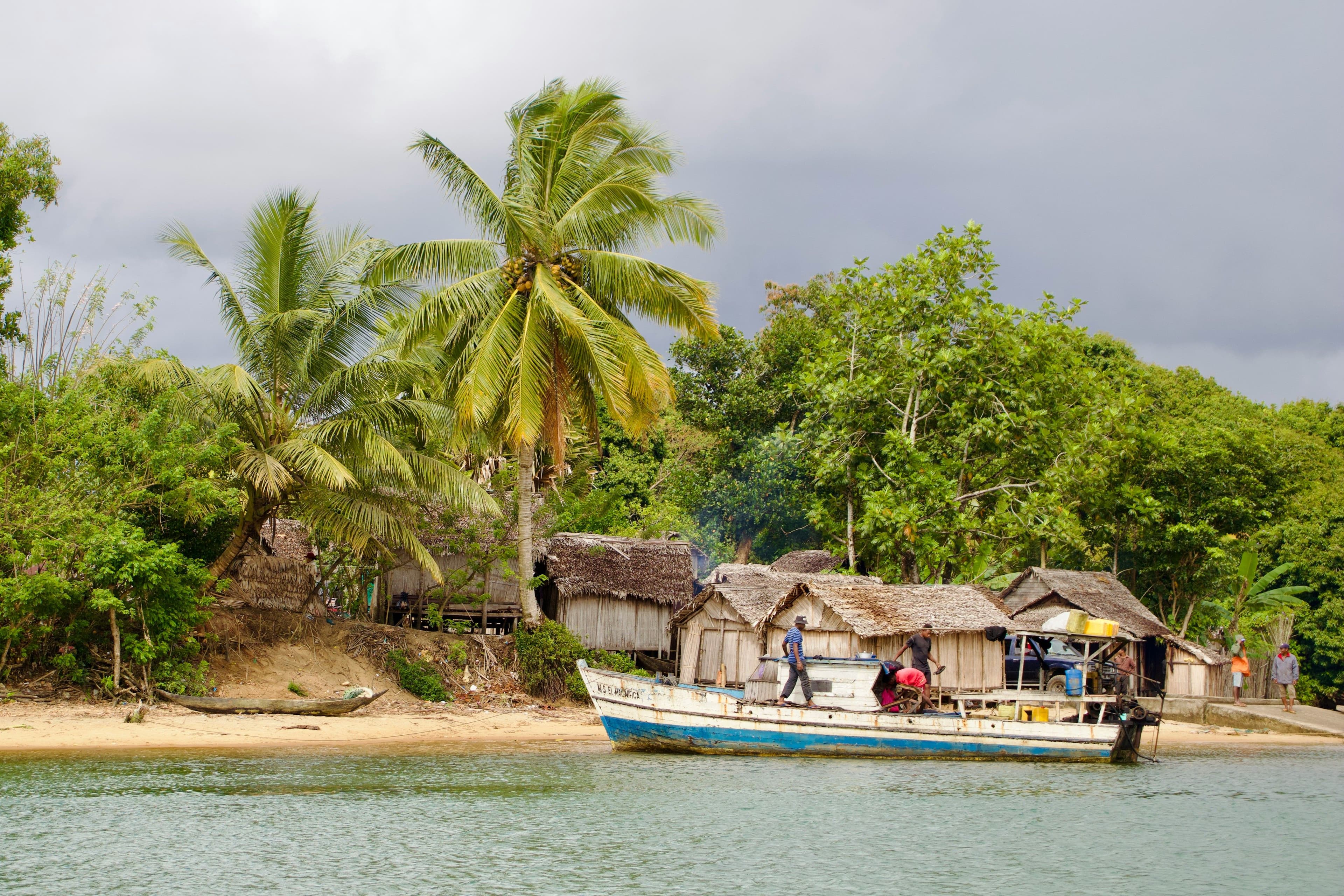
Madagascar is a grand and wonderful adventure. It is a French-speaking country with a wealth of treasures. This destination is renowned for its landscapes, its paradise-like islands, its flora and fauna, and its culture. Although it is sometimes unfairly labeled as “dangerous,” here are 10 tips to help you prepare for your trip and travel with peace of mind.
#1/ What are the entry requirements for Madagascar? French nationals must have the following documents to enter Madagascar:
- A passport valid for at least 6 months after the return date.
- An entry and stay visa for stays of less than 3 months. A form must be completed and submitted to the Malagasy authorities. The visa can be obtained at the Antananarivo or Nosy Be airport, or at a consulate. You can also apply for it directly online; the visa fee varies depending on the length of your stay.
- A tourist tax of approximately €10 is payable upon arrival. Make sure you have cash on hand.
- A return flight ticket may also be required.
2/ Local Currency in Madagascar
The local currency is the Malagasy Ariary (MGA): 1 Euro is equivalent to approximately 4,083 Ariary. All cities and larger towns have ATMs. The two main banks are BNI Madagascar and Bank of Africa. Both accept Visa, Visa Electron, and MasterCard. You can exchange your euros at any bank, but you will need your passport.
3/ Malaria
Regarding malaria prevention, you should discuss this with your doctor. This is especially important if you are traveling between September and May. This is Madagascar’s hottest and rainiest season, making it more prone to mosquitoes. Several treatments are available, and your doctor will recommend the most suitable one. Also, don’t forget to bring insect repellent. In addition to wearing long pants and long sleeves, this is the most effective way to minimize mosquito bites.
4/ Internet Access
Wi-Fi is available in most mid-range hotels and guesthouses. Keep in mind that connection speeds can be very slow outside major cities. A 4G mobile connection is available in Antananarivo and Tamatave. In smaller towns, a 3G/2G connection is available. You’ll rarely find a connection in small towns or on the roads. You can also purchase a local SIM card upon arrival at the airport.
5/ Be patient and flexible
Flexibility is key when traveling in Madagascar. Most Malagasy people don’t like to rush; they prefer to take things easy. In fact, the Malagasy have a saying: “Mora Mora.” It translates to a calm, carefree life. The Malagasy will be relaxed, so you should be too. Your trip will be all the more enjoyable! So don’t forget to be flexible, patient, and respectful toward your drivers and the other Malagasy people you meet.
6/ Drinking Water in Madagascar
In Madagascar, you must make sure to drink filtered water, or you risk getting sick. The best—and most eco-friendly—way is to bring your own water bottle with a built-in filter. You’ll be sure to never run out and won’t have to buy plastic bottles every day. Also, avoid consuming ice cubes unless you’re certain they were made with filtered water.
7/ Food in Madagascar
Meals offer excellent value for money, but the cuisine isn’t always very varied, especially in smaller villages. Avoid raw vegetables unless they have been washed with filtered water. Additionally, it might be a good idea to bring your own granola bars, for example. Especially if you have dietary restrictions and/or plan to go on long hikes.
8/ The Language
Madagascar was once a French colony. That’s why French is still one of the official languages. Many signs and restaurant menus are in French. And most prices will be listed in French. But it’s always appreciated if you learn some simple Malagasy phrases. Locals genuinely appreciate it when you invest time and interest in their native language. To start with, “Salama” means hello. “Veloma” means goodbye! Now it’s your turn.
9/ Safety Concerns in Madagascar
People sometimes imagine Madagascar as a dangerous country. It is a poor country, and you need to be careful about certain things. But don’t worry—you just need to be aware of these risks and plan your trip carefully. You need to watch out for theft, just like in many other countries. Crime is mostly found in the capital, Antananarivo, and in tourist areas like Nosy Be. Otherwise, it’s very peaceful in the countryside, and you’ll appreciate the kindness of the Malagasy people. Madagascar is a welcoming country, and you’ll have wonderful encounters there.
10/ Travel with a guide
Traveling in Madagascar is a great adventure, and it’s important to have someone who knows the country well. In fact, in Madagascar, it’s strongly recommended to hire a driver/guide. Traveling with someone who knows the country, its customs, and its quirks is essential. Roads can sometimes be difficult to navigate, the police may stop you to “extort” money, and you need to know the right places to eat without risking getting sick… The benefits are numerous, and to ensure you have a professional and competent guide, you can find our selection here.