
Mongolia: 5 Must-Try Experiences with a Local Guide
Once at the heart of a colossal empire built by Genghis Khan, Mongolia has lost none of its splendor. While its capital struggles to resist the allure of modernity, the vastness of the steppes, the dunes of the Gobi, and its nomadic traditions remain its most precious treasures. A journey into infinity.
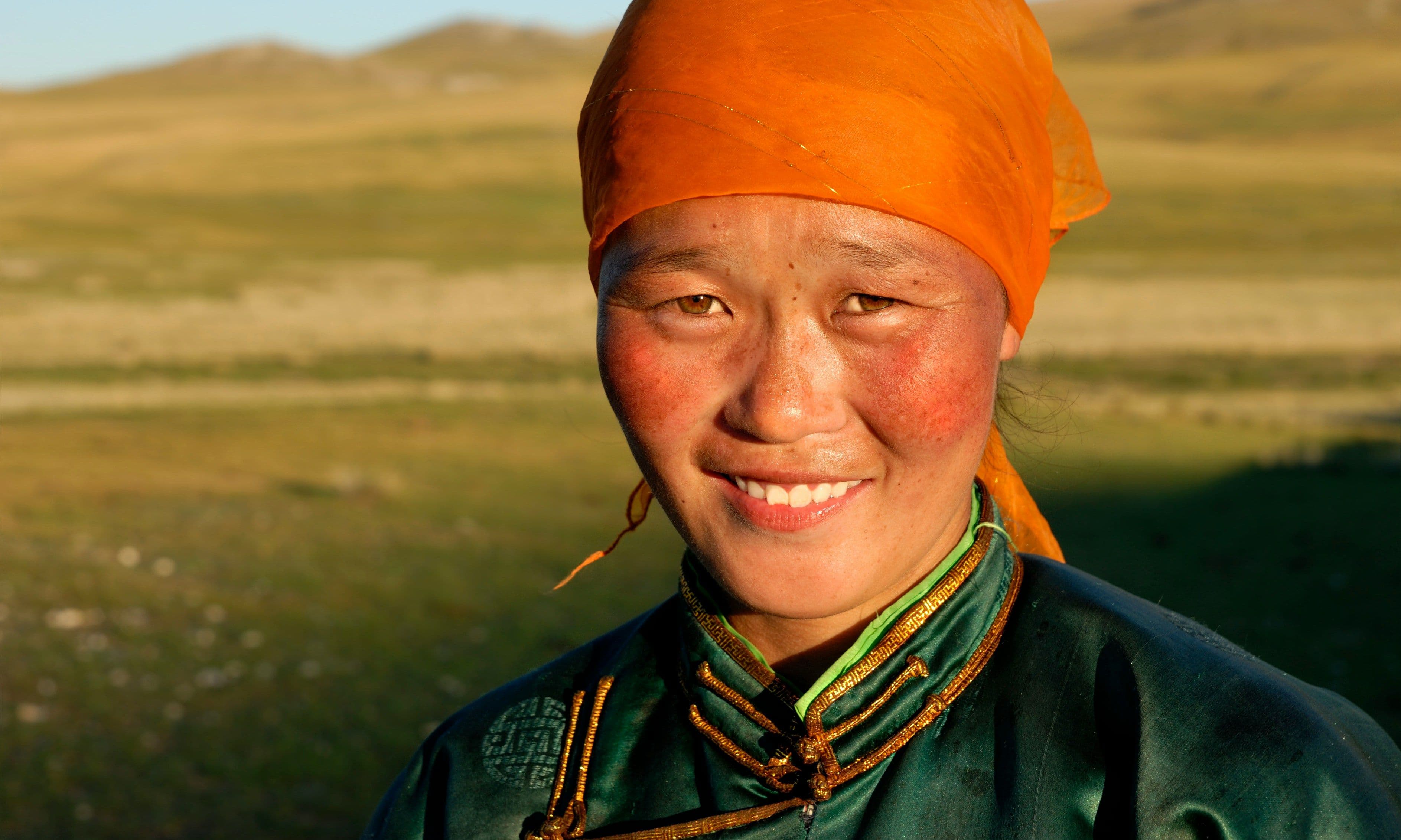
Mongolia isn't a country you can explore by following road signs—mainly because there are almost none. In this country—three times the size of France, with a population of fewer than three and a half million—distances are measured in hours of off-road travel, and encounters happen spontaneously. That’s precisely why a local guide makes all the difference: he opens the doors to the yurts, translates far more than just words, and can read a landscape that the Western eye cannot decipher on its own. Here are five experiences where his presence makes all the difference.
- Stay with a nomadic family, not in a tourist camp
There are yurt camps designed for travelers—comfortable and perfectly respectable. But the experience takes on a whole new dimension when a guide, through their personal network, arranges for you to spend a night with a real herding family—the kind that still moves their camp several times a year depending on the seasons and pastures. There, you’ll learn to milk yaks, prepare airag (fermented mare’s milk) or steam buuz, and, as you share their salty tea, you’ll come to understand a millennia-old subsistence economy that remains at the heart of Mongolian identity. Without an interpreter, these interactions would amount to nothing more than polite smiles; with a guide, they become a genuine conversation.
- Experience Naadam like a local, not as a spectator
Every year, from July 11 to 13, the entire country celebrates Naadam, Mongolia’s largest national festival, centered around the “three manly games”: wrestling, archery, and horse racing. The official ceremony in Ulaanbaatar is impressive, but the rural Naadam festivals, held in the provinces (aimags) and districts (soums), offer a much more intimate and authentic atmosphere. A guide knows where these local festivals take place, how to blend in without getting in the way, and, above all, how to explain the customs: why the wrestlers wear that specific costume, why the young racehorsemen are sometimes as young as five, or what the songs sung before each event symbolize.
- Ride on horseback across the steppe, following in the footsteps of Genghis Khan
The horse remains the most natural means of transportation in Mongolia, and a multi-day horseback trek across the steppe—toward Lake Khövsgöl in the north or the hills of central Mongolia—is one of the most powerful ways to experience Mongolia’s vastness. A local guide here is more than just an escort: he manages the horses, knows the watering holes and campsites, can read the sky before a steppe storm, and can recount, camp after camp, how this land witnessed the birth of Genghis Khan’s empire in the 13th century. Without him, the adventure quickly becomes a matter of survival rather than contemplation.
- Meet the Eagle Hunters of Bayan-Ölgii
In the far west of the country, on the edge of the Altai Mountains, lives Mongolia’s Kazakh minority, the custodians of a unique tradition: golden eagle hunting, practiced on horseback for generations. Visiting them outside of the very popular Golden Eagle Festival (which usually takes place in early October) allows you to observe the training of an eagle or a hunting expedition in relative privacy. But the Mongolian Kazakhs speak Kazakh rather than Mongolian, and their customs differ significantly from those of the rest of the country. A guide familiar with this region—or even one who is himself a member of this community—is essential to understanding what this bond between a hunter and his bird of prey, passed down from father to son, truly represents.
- Venturing into the Gobi Desert, Beyond the Dunes
The Gobi is not a uniform sandy desert: it is a mosaic of singing dunes (Khongoryn Els), canyons of eternal ice (Yolyn Am), and ochre cliffs where the world’s first dinosaur egg nests were discovered in Bayanzag, the “Flaming Cliffs.” Traveling there without trails or cell service requires intimate knowledge of the terrain: a local guide knows where to find water, where to set up camp sheltered from the wind, and how to arrange a stop at a Bactrian camel herder’s camp for a night under a sky full of stars. He is also the one who can spot, in the sand, the fossils that the untrained eye would mistake for mere pebbles.
In Mongolia, a local guide is not a tourist luxury: he is often the only key to accessing a country where nomadic hospitality remains a core value, but one that must be earned and is rarely understood on one’s own.