
The best time to visit Cuba
Find out the best time to visit Cuba
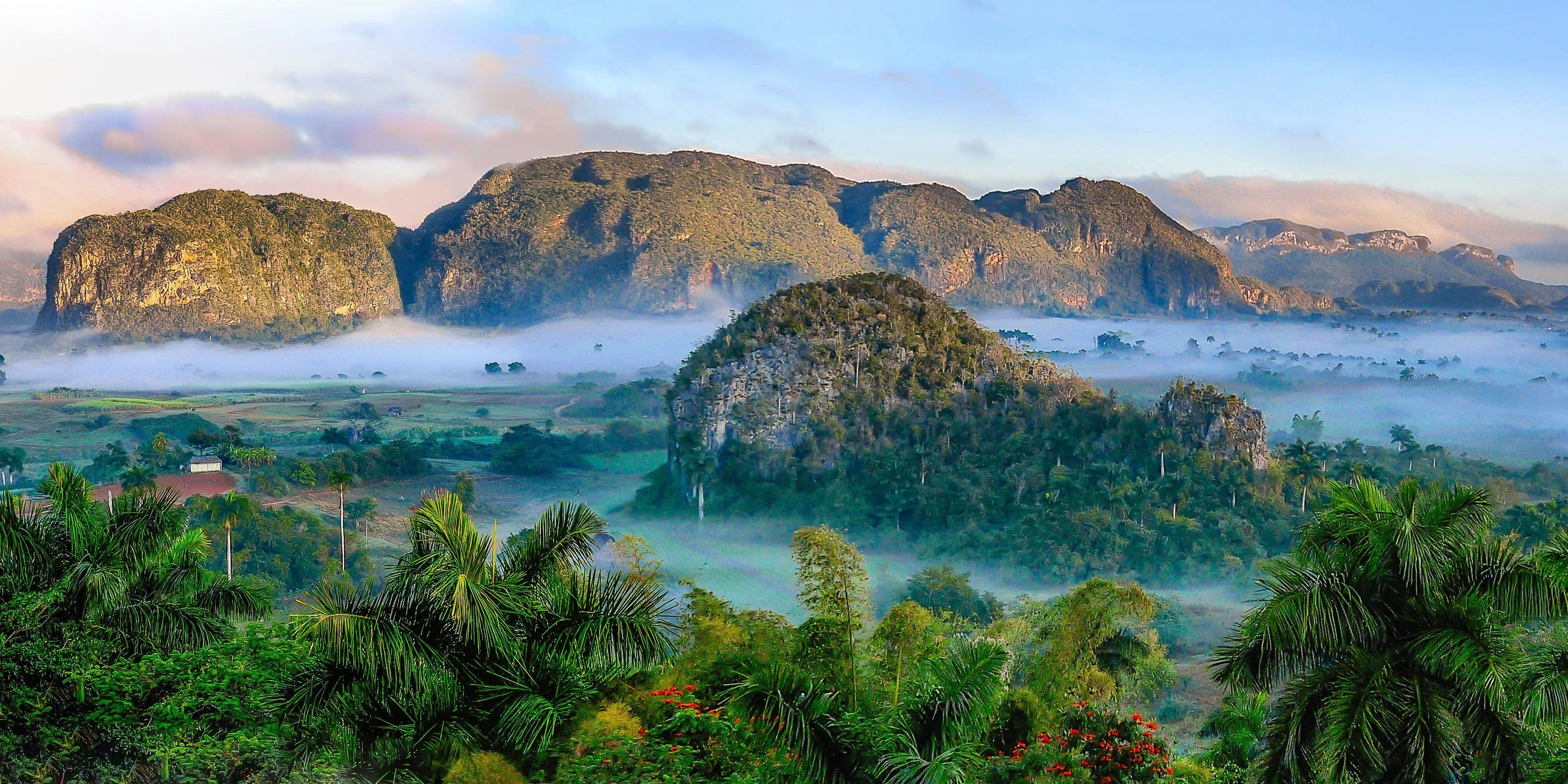
Perhaps you’re drawn to Cuba for its sunny beaches; snorkeling or scuba diving at world-class dive sites… Maybe you’ll be charmed by the colorful, time-worn colonial towns, the lively atmosphere of its cities, and its magnificent mountainous landscapes. Perhaps it’s the sensuality of salsa that draws you in, or the exhilarating carnival celebrations. Or maybe you simply want to get a glimpse of the one-of-a-kind Cuban way of life. Chances are, it’s a combination of all of these. So, when is the best time to visit Cuba?
The Climate in Cuba There’s no bad time to visit Cuba. But there are a few factors to consider, the most important being the weather. Cuba has a hot and sunny tropical climate, with dry and wet seasons. The dry season runs from November to April, and the wet season from May to September. However, even during the rainy season, you can expect mild temperatures, and the showers never last very long. But the dry season is generally the best time of year to visit Cuba.
The Best Month to Visit Cuba Generally speaking, in terms of rainfall and temperature, March and April—which fall during the dry season—are the best months to visit Cuba. It is dry and warm during this period, with average daytime temperatures of 27–29°C and mild nighttime temperatures around 19–21°C.
Other factors to consider when deciding when to visit Cuba In addition to the weather, other factors should be taken into account when deciding when to visit Cuba. The peak tourist season in Cuba runs roughly from mid-December to mid-March, and throughout July and August. Prices are higher and crowds are denser in the summer, as the vacation season begins for Cubans.
Since the atmosphere in small resorts is largely driven by tourists—both Cuban and foreign—they can seem a bit dull during the off-season, even though you’ll benefit from lower prices. However, the cities, particularly Havana and Santiago, are always bustling and offer good value for money year-round.
Compared to traditional celebrations in other countries, Christmas is a low-key holiday in Cuba, with an emphasis on private family gatherings. New Year’s Eve—which is also the eve of the anniversary of the Revolution—is celebrated with much greater enthusiasm. And if you’re planning your trip around a major event, the Santiago Carnival, held every July, is a must-see.
Visiting Cuba During the Dry Season The dry season in Cuba runs roughly from mid-November to April. This is when dry weather coincides with the island’s sunny days and warm temperatures.
Visiting Cuba in December–February During the winter months of January and February, temperatures can drop to 15°C, and even lower at night. If you plan to go to the mountains, it’s advisable to pack something warmer than a T-shirt.
January and February are ideal for visiting the cities of Trinidad and Sancti Spíritus, as well as Santiago, with temperatures hovering around a comfortable 28°C.
Keep in mind that prices skyrocket during the Christmas season, and you’ll need to book well in advance if you plan to visit Cuba at this time.
Visiting Cuba in March–April March and April are the best months for long sunny days and dry weather. It’s the perfect time to lay your towel on one of Cuba’s most beautiful beaches, such as Playa Ancón or Playa Los Pinos on Cayo Sabinal; or, if you’re looking for a livelier atmosphere, Varadero.
Those wishing to try their hand at diving at some of Cuba’s best dive sites will enjoy optimal conditions, such as those at Jardines del Rey, María La Gorda, and Cayo Largo.
It’s also the perfect time to explore Cuba’s interior, such as the Alejandro de Humboldt National Park, which offers ideal conditions for hiking in March. The idyllic eco-resort of Las Terraza and the surrounding hiking trails also make for a wonderful stop at this time of year. The Viñales Valley and the peaks of the Sierra Maestra perfectly round out your itinerary. Keep in mind that this is also the high season in Cuba, so the cost of flights and accommodations increases. This is especially true during the Easter holidays, which is why we recommend booking your itinerary as early as possible with your SoGuide guide.
Visiting Cuba During the Rainy Season If you’re visiting Cuba in the summer—specifically between May and October, which is considered the rainy season—expect at least a few days of rain over a two-week period. But don’t let that discourage you. Although the rain falls quickly and heavily, it rarely lasts very long in Cuba; the clouds clear up fast, giving the sun time to dry everything off. There may also be a silver lining: rain means fewer visitors and the chance to book tours and accommodations at attractive prices…
Eastern Cuba tends to be hotter and more humid during this time of year, while temperatures in the Trinidad and Sancti Spíritus regions also exceed the national average.
Visiting Cuba in May–August In theory, the rainy season begins in May, but in reality it doesn’t really start until late July or early August. Even during this period, days are likely to remain very sunny. And if you’re planning a trip to the beach, you’ll probably avoid the rain if you arrive earlier in the day. Temperatures in May and June make for comfortable travel.
From July to September, temperatures soar to 32°C in Havana and Pinar del Río. Eastern regions, such as Santiago de Cuba, experience stifling heat exceeding 33°C.
If a little rain and the occasional downpour don’t bother you, you can take the opportunity to enjoy the outdoors in June and July, before temperatures soar in August. There are fewer visitors, and it’s easier to find good casa particulares. Horseback riding in the Viñales Valley is an excellent way to explore the region during this time.
For festivals, July and August are the best times to be in Havana and Santiago. These two periods coincide with the annual carnival, which is very lively; and it’s worth planning your itinerary around these joyful events. Santiago also hosts the Fiesta del Caribe Santiago de Cuba—a week-long celebration of Caribbean music and dance—in early July.
Prices rise in July and August, and activity increases significantly, as this is when Cubans traditionally take their vacations. However, the quieter resorts come alive during this period, whereas during the off-season, cultural activities and the liveliness generated by visitors decrease.
Visiting Cuba in September–November September and October are the months most prone to hurricanes, which occur from June through November, particularly in coastal areas. However, compared to other Caribbean islands and certain Central American countries, Cuba has so far weathered even the most violent hurricanes relatively well. Keep in mind, however, that rural areas are more vulnerable, and hurricanes can lead to the closure of certain mountain trails and national parks.
Aside from the humid weather and hurricanes, if you’d like to explore Cuba during the calmer months, September and October are good times to visit the country. You can find great deals on flights, accommodations, and even excursions. Ask your SoGuide for advice.