Our tips for dealing with altitude sickness in Cusco
Our tips for dealing with altitude sickness in Cusco
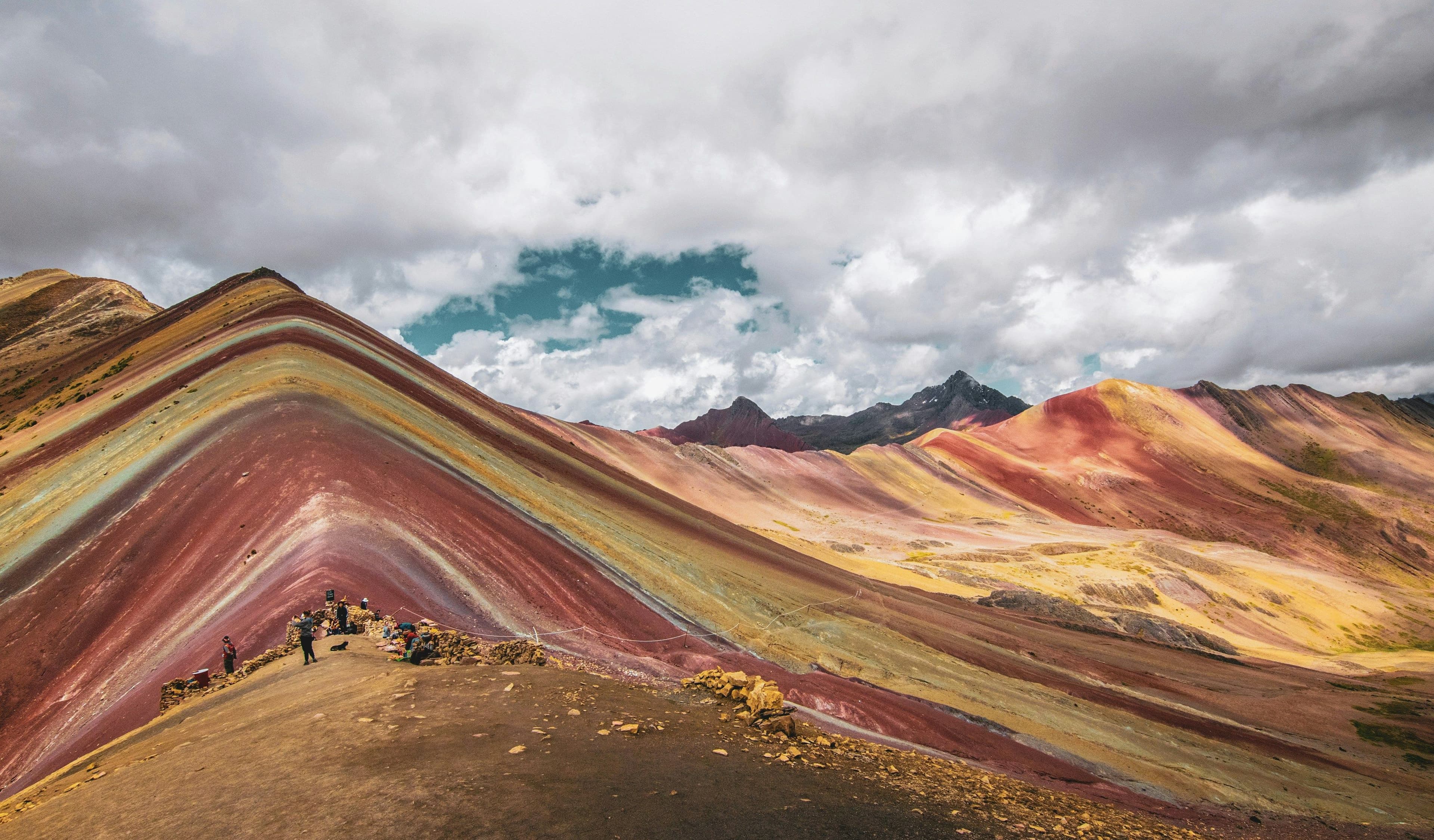
High altitude begins to affect our bodies between 1,500 and 2,000 meters. At this altitude, our bodies start to react differently to compensate for changes in oxygen levels. Your body gradually adapts to the decrease in oxygen. You breathe faster and more deeply, and your body produces more red blood cells. This adaptation can take a little time. That’s why if you move too quickly from low to high altitude, you may experience symptoms of altitude sickness. This can continue until your body acclimates. Cusco is located at an altitude of 3,400 meters, and it’s common for many visitors to experience mild symptoms of altitude sickness in Cusco. It’s hard to say whether you’ll be affected by altitude sickness, as some people may be more sensitive than others. It doesn’t necessarily depend on age, gender, or physical condition. So here are a few tips to help you avoid these effects as much as possible.
#1 / Arrival in Cusco: Relax! Relax! Take a few days at the start of your trip to acclimate to the altitude. Once you’re well-rested, you can go trekking or engage in intense activities. This is the best advice we can give you. Take it easy the first few days, and your body will thank you.
#2 / Avoid alcohol and drugs. First and foremost, avoid any substances that could worsen your altitude sickness. This includes alcohol, sleeping pills, and tranquilizers. In fact, they can all make symptoms worse. Trust us! Even if it’s tempting, just one Pisco Sour cocktail can give you a headache and unpleasant nausea.
3/ Drink plenty of water.
We can’t say this enough: drink PLENTY of water. It’s essential to stay hydrated before and during your trip to avoid the unpleasant symptoms of altitude sickness. Especially after a long flight, so be sure to hydrate your body—it’s essential.
4 / Head down and acclimate.
Once you arrive in Cusco, don’t hesitate to head down to the Sacred Valley or Machu Picchu first, which are at lower altitudes. Believe it or not, Cusco is located at an altitude of 3,400 m. Heading to Pisac or Urubamba at 2,900 m or to Machu Picchu at 2,400 m can therefore make a huge difference. After a few days, you can head back up to Cusco and you’ll feel much better. (The general rule is “hike high, sleep low,” so if you’re above 3,000 m, don’t sleep at an altitude higher than 3,000 m at the end of each day).
5/ Drink coca tea.
Almost all hotels in Cusco and the Sacred Valley offer fresh coca tea to their guests, and for good reason! Coca tea is completely safe to drink, and one or two cups a day can alleviate altitude sickness symptoms. Remember that coca is a mild stimulant, so don’t overdo it—2 to 3 cups during the first few days will be more than enough.
6/ Buy an Oxishot!
Oxishot is a small disposable canister containing 8 liters of oxygen that you can use upon arrival in Cusco and whenever you need a boost. It can help reduce headaches and fatigue associated with altitude sickness. They’re available everywhere in Cusco and at Machu Picchu.
7/ Visit your doctor.
If you’re worried before your trip, see your doctor and ask for a prescription for acetazolamide (also known by the brand name Diamox), which can be taken to prevent altitude sickness symptoms. Some people may experience side effects from this medication, including tingling in the hands, feet, and face. This is why it’s important to consult your doctor before using it.
Here are a few tips that may prove valuable during your stay in Cusco. We also recommend traveling with a local guide. They can answer all your questions before and during your trip to Peru.